What Is A Disaster ?
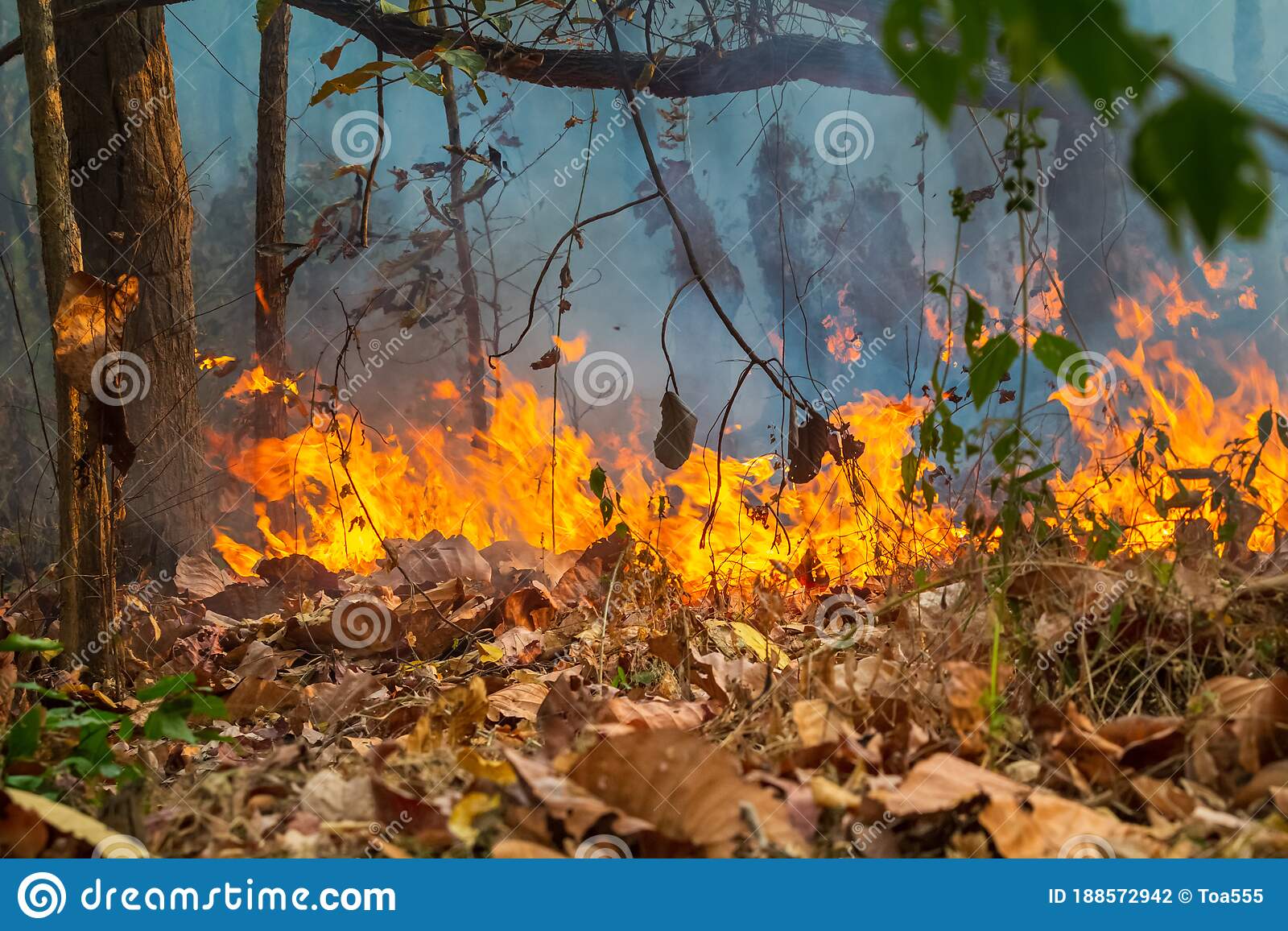
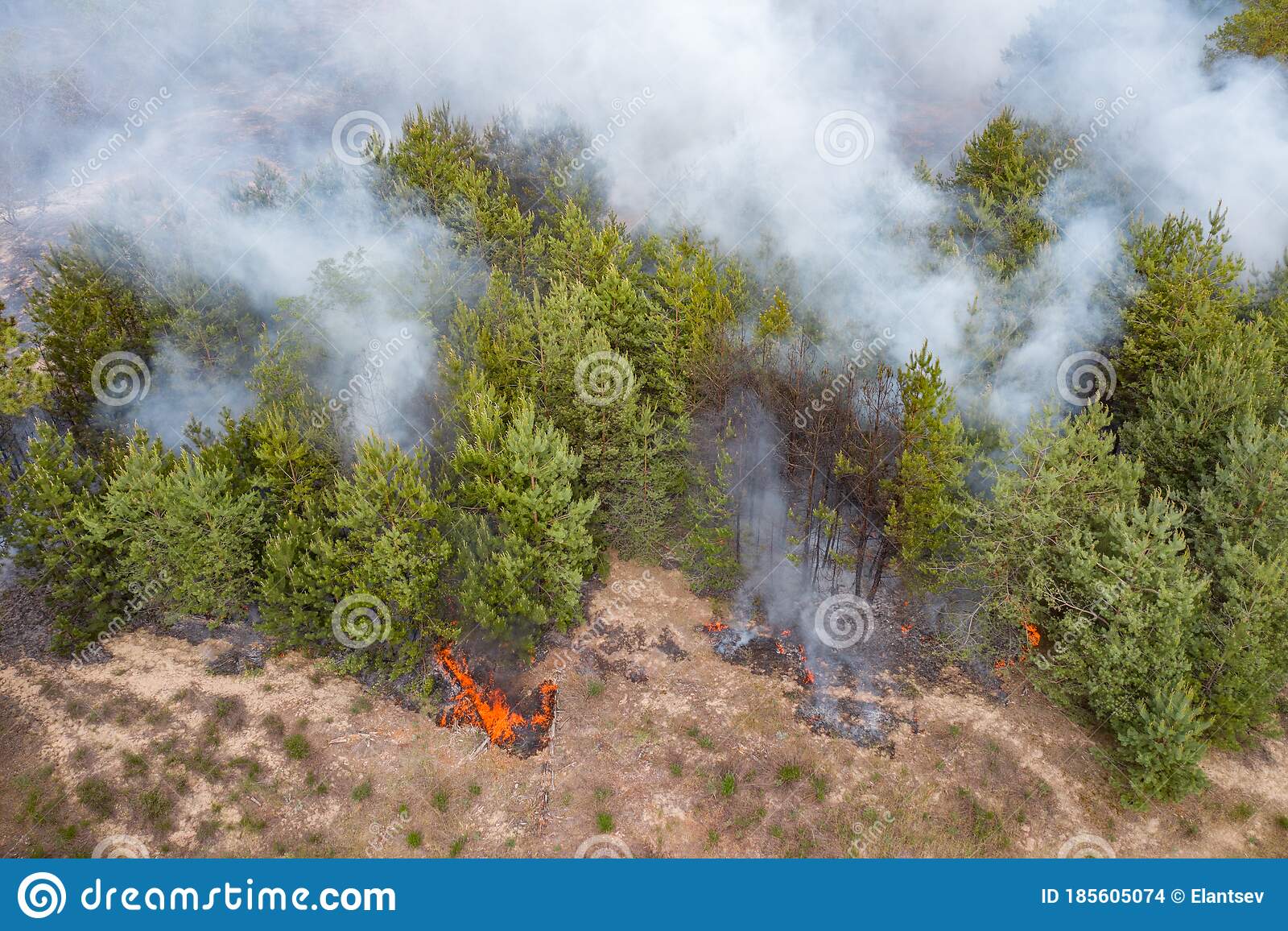
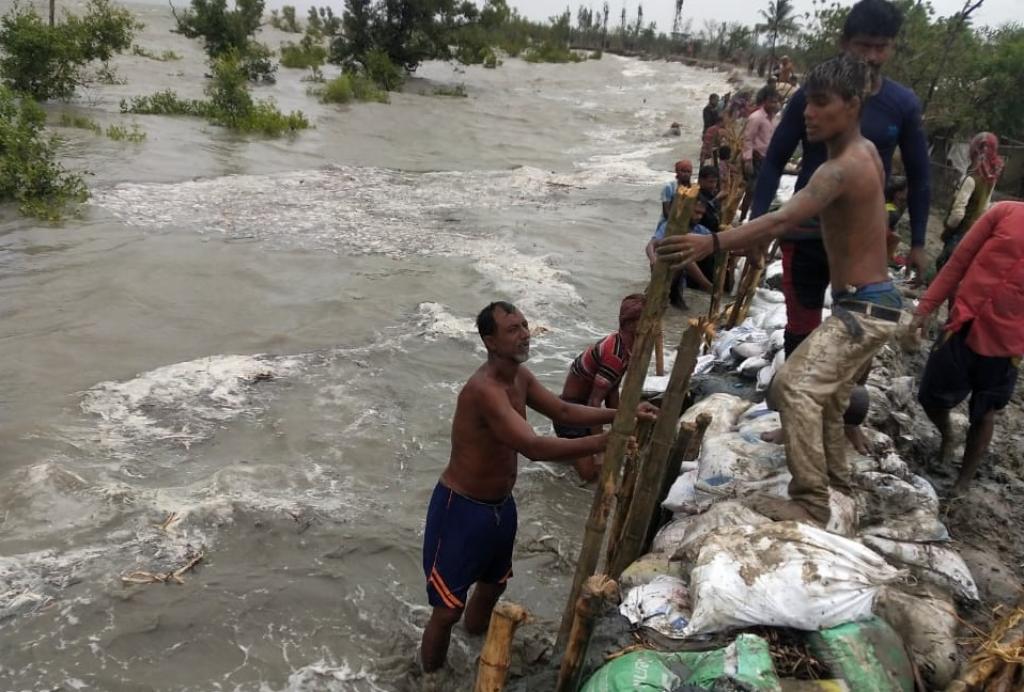
A disaster is a serious problem occurring over a short or long period of time that causes widespread human, material, economic or environmental loss which exceeds the ability of the affected community or society to cope using its own resources. Developing countries suffer the greatest costs when a disaster hits – more than 95% of all deaths caused by hazards occur in developing countries, and losses due to natural hazards are 20 times greater (as a percentage of GDP) in developing countries than in industrialized countries.
Types Of Disaster

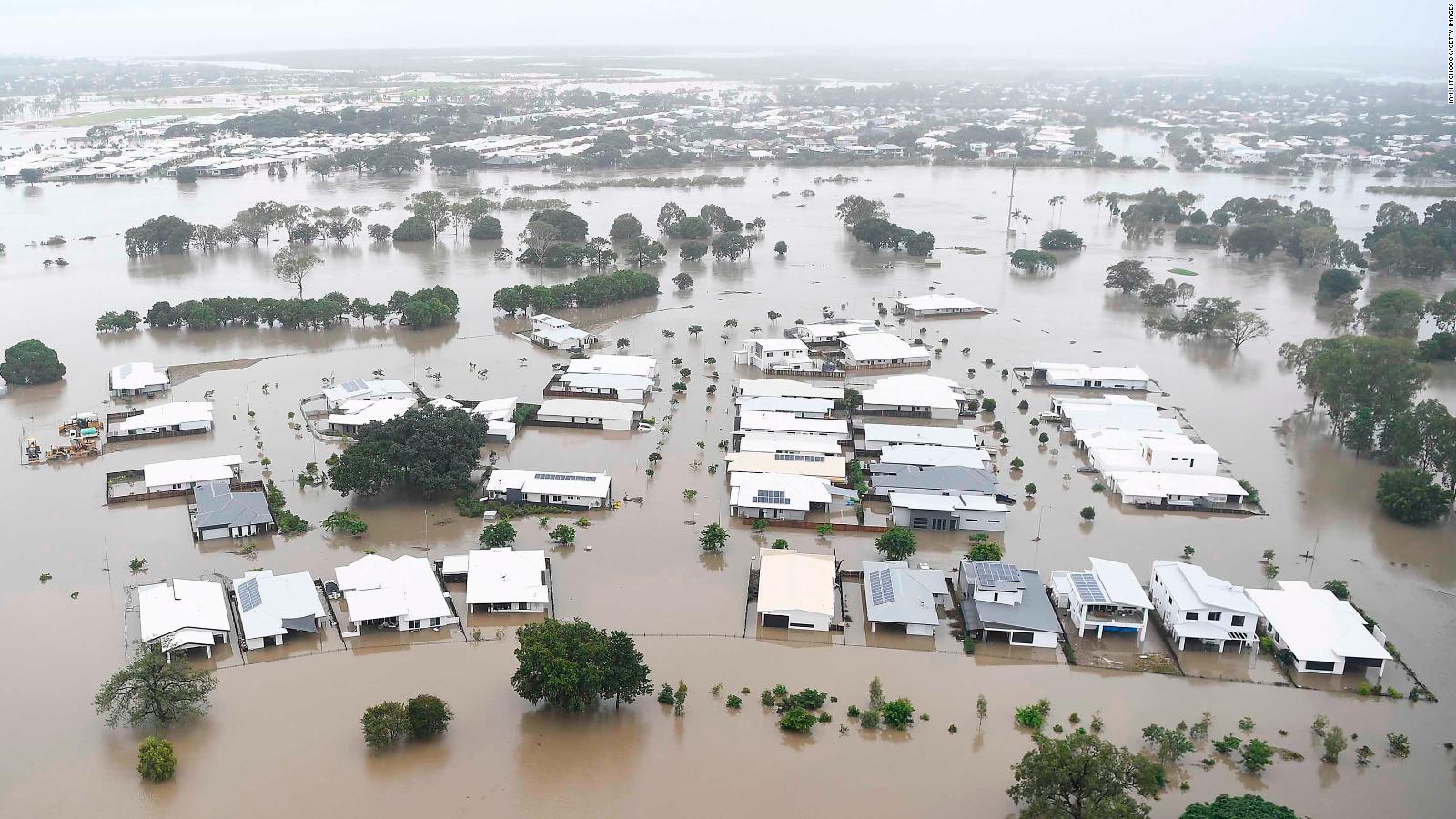

Severe storms and floods are the most common types of natural disasters reported in the United States. These meteorological events are occasionally preceded by presidential “emergency declarations” requiring state and local planning prior to the event, such as evacuations and protection of public assets. Disaster Distress Helpline staff are available to speak to those who call or text before, during, and after a natural disaster.